Around the former Kaystros estuary, Ephesus preserves shifting harbours, Roman monuments, the cult of Artemis and early Christian heritage within one long settlement system.
✓The institutional relationship is verified against official project and institution pages.
01
Evidence at a glance
01
UNESCO inscription in 2015
02
History reaches the 7th millennium BCE
03
Capital of Roman Asia
04
Artemis and Christian pilgrimage traditions
02
Read the site layer by layer
Sources for this dossier are listed together in the bibliography below. Individual claims are marked at section level only when a direct source mapping has been verified.
01
Changing coast and harbours
As river sediment pushed the coast west, settlements and harbours moved. The sea channel and harbour basin make Ephesus an exceptional Roman port shaped by environmental change.
01
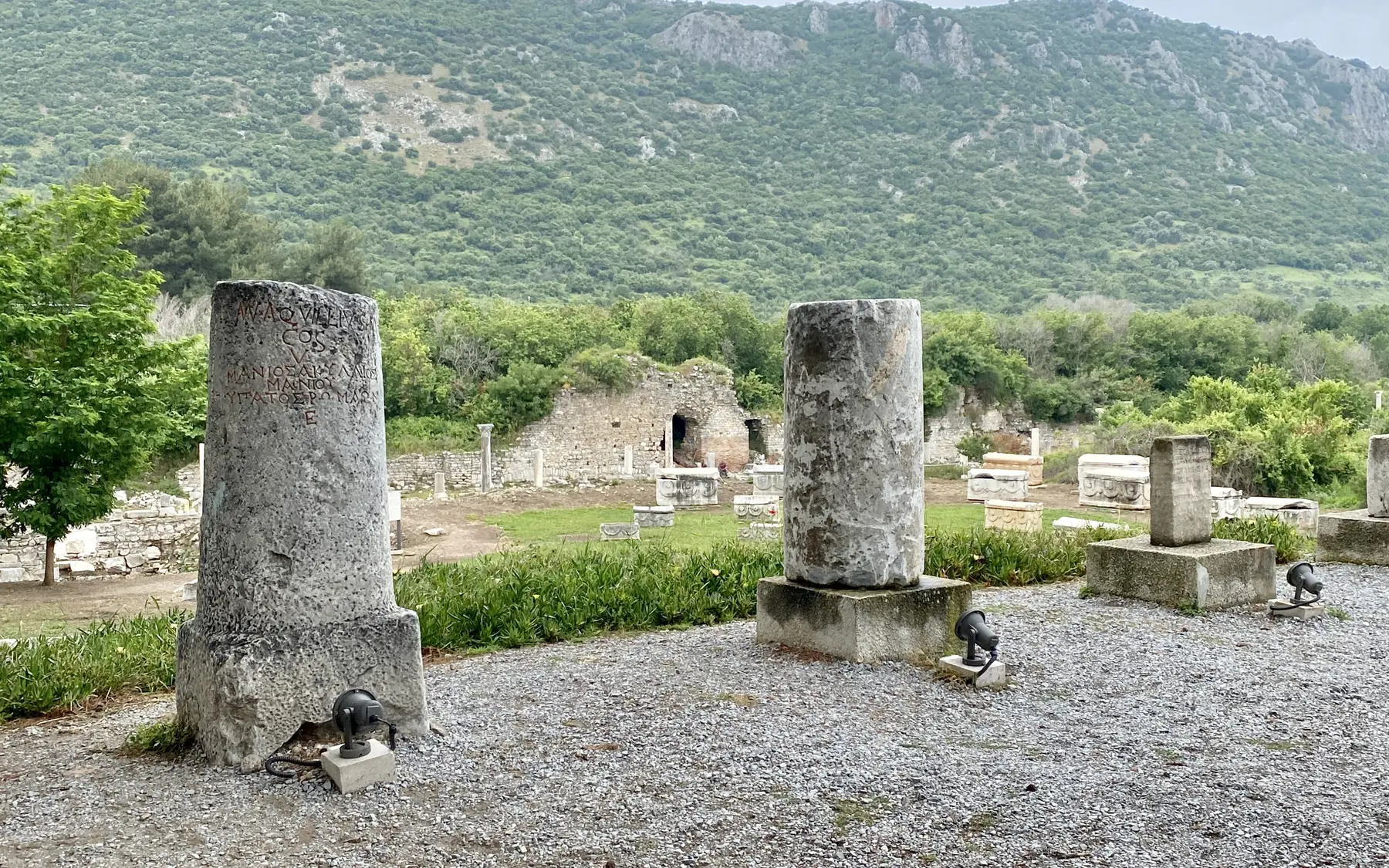
Arcadian Street at Ephesus, running towards the ancient harbour landscape.Captured: 2023Photo: Warren LeMayWikimedia Commons ↗CC BY-SA 2.0 ↗Cropped for web
02
Roman metropolis
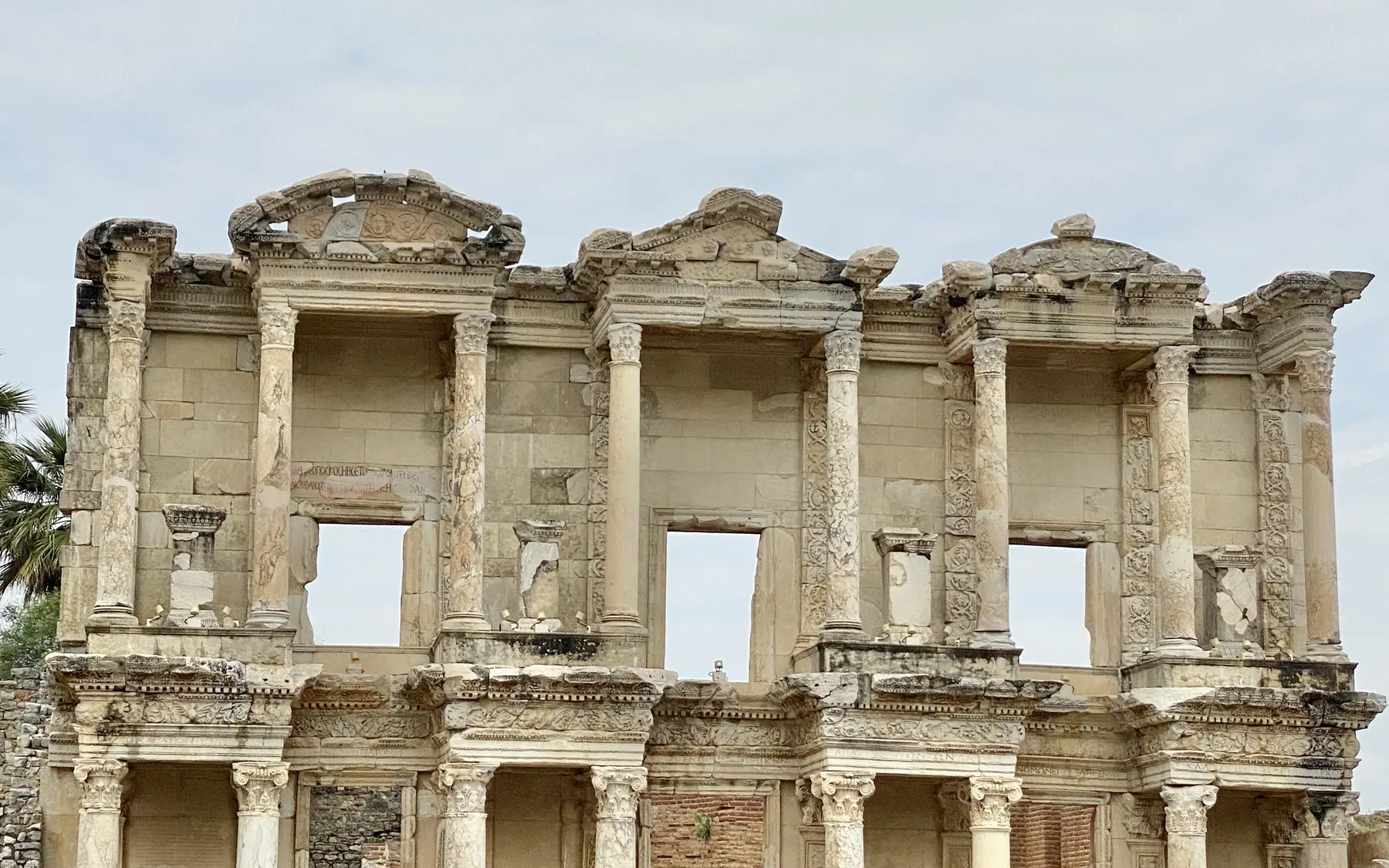
The Library of Celsus, Great Theatre, Terrace Houses, agoras and processional streets reveal administration, commerce, education and elite domestic life.
02
The two-storey façade of the Library of Celsus at Ephesus.Captured: 2023Photo: Warren LeMayWikimedia Commons ↗CC BY-SA 2.0 ↗Cropped for web
03
Artemis and pilgrimage
The Artemis cult, rooted in Anatolian mother-goddess traditions, created Mediterranean-wide pilgrimage and economic networks around one of the Seven Wonders.
03
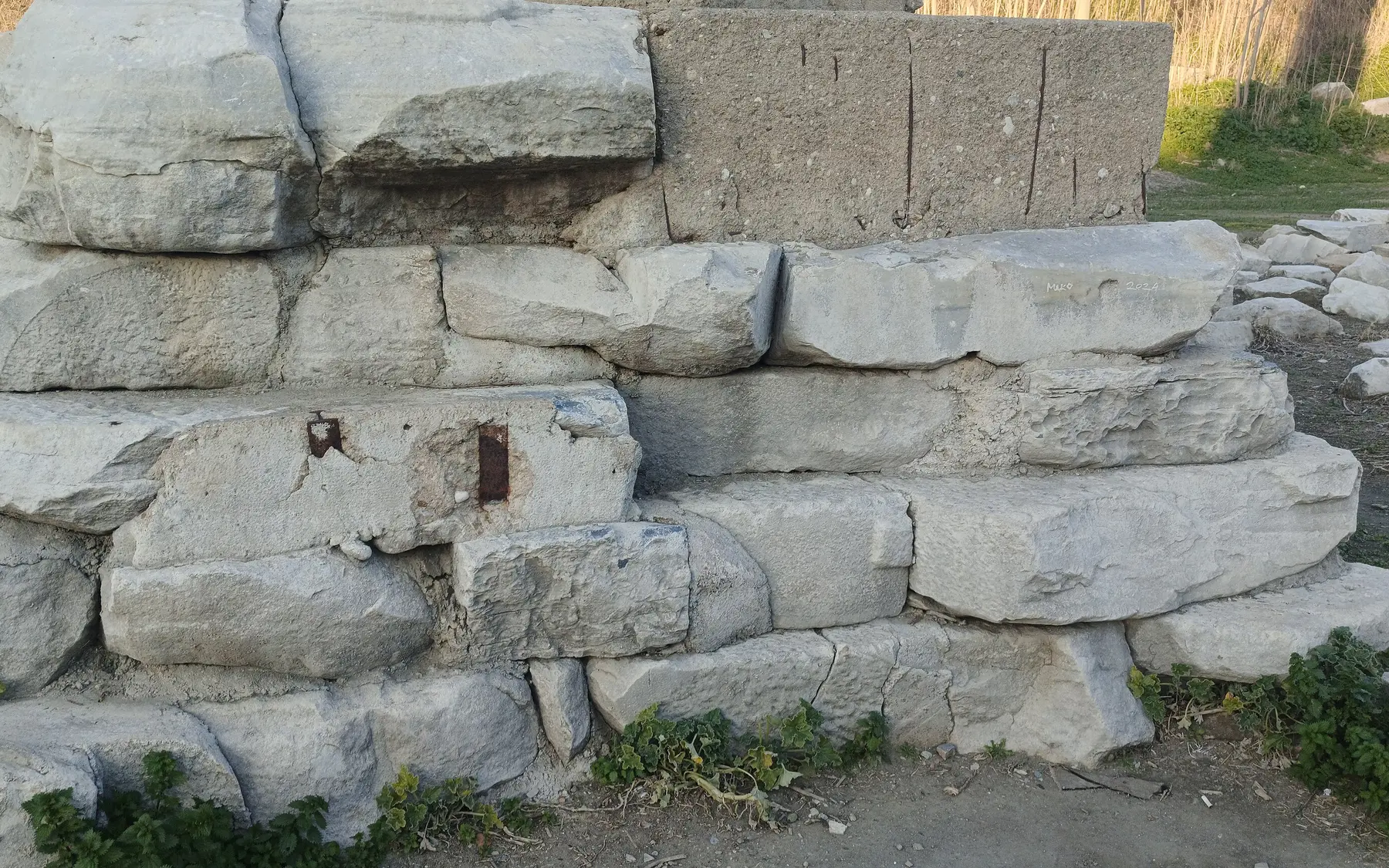
Stone foundations and wall remains of the Ephesian Artemision in 2026.Captured: 2026Photo: Satırdan KahramanWikimedia Commons ↗CC BY-SA 4.0 ↗Cropped for web
04
Early Christianity
The Church of Mary, Basilica of St John and councils of 431 and 449 demonstrate Ephesus's decisive role in Christian history; pilgrimage survived the shrinking city.
04
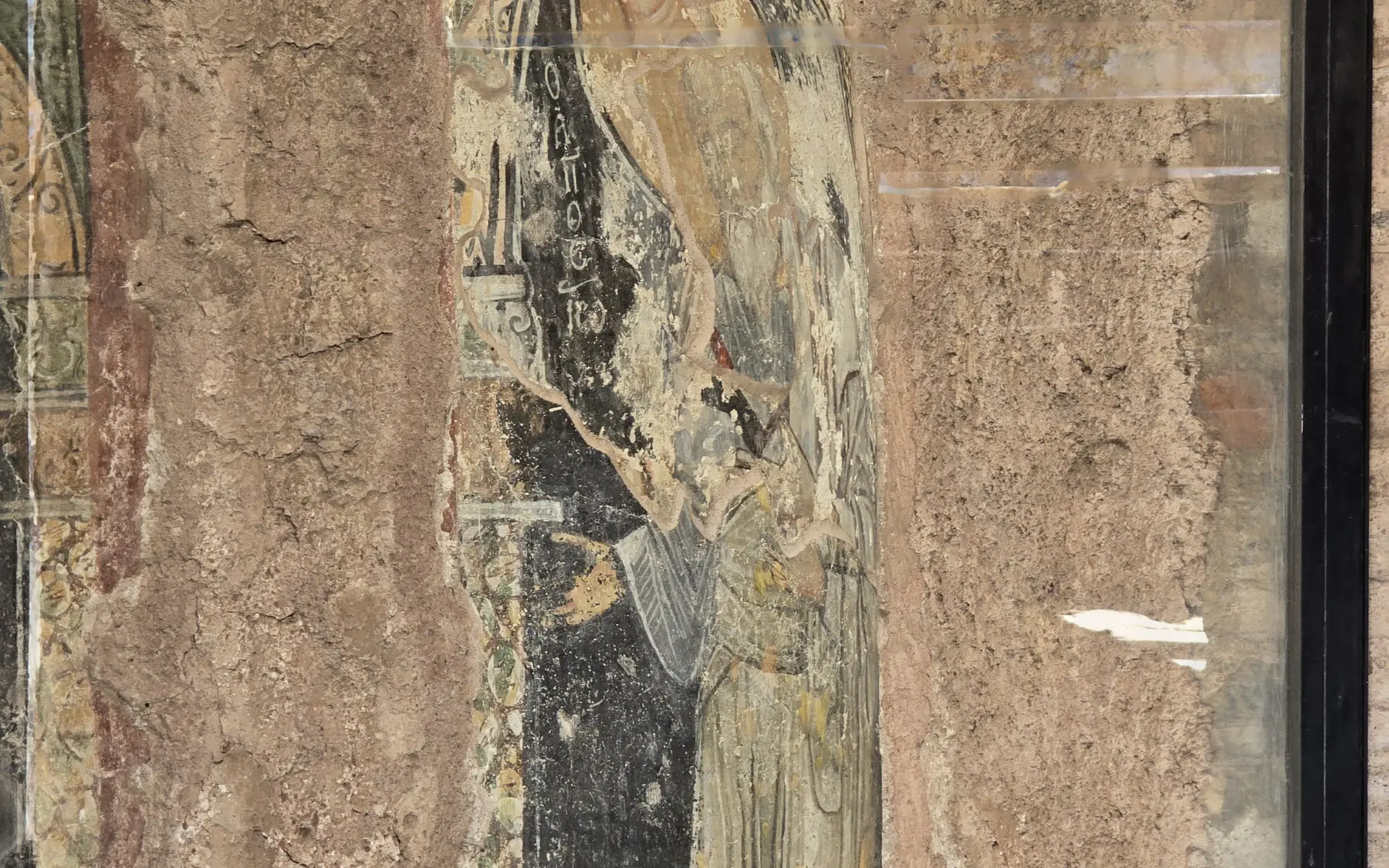
Preserved wall-painting detail in the Basilica of St John at Ayasuluk.Captured: 2024Photo: Satırdan KahramanWikimedia Commons ↗CC BY-SA 4.0 ↗Cropped for web
05
Excavation and conservation
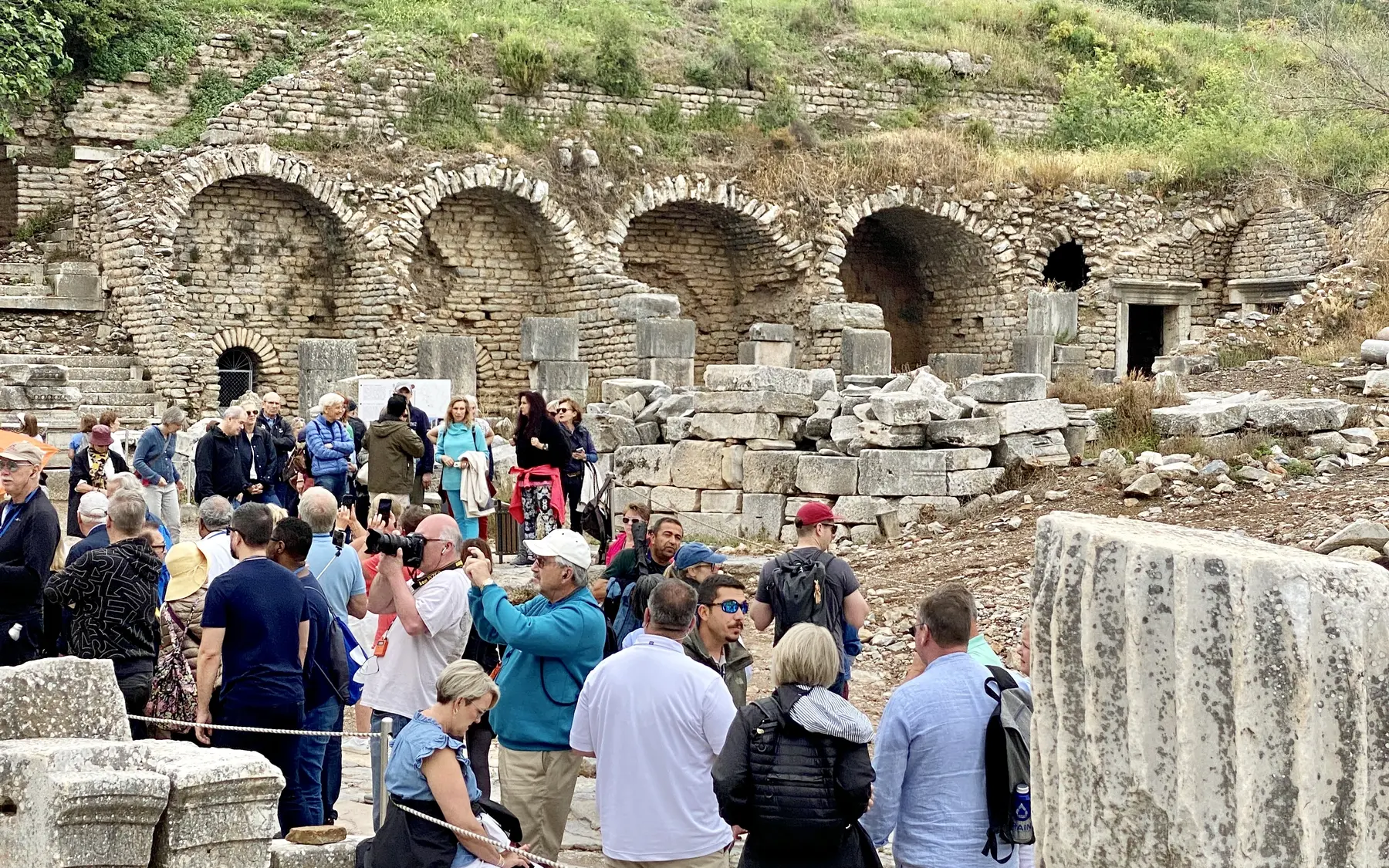
Around 150 years of work have documented monuments, houses, inscriptions, water systems and the changing harbour landscape while balancing tourism with fragile remains.
05
Monumental remains and visitor movement across the Ephesus archaeological site.Captured: 2023Photo: Warren LeMayWikimedia Commons ↗CC BY-SA 2.0 ↗Cropped for web
Through an Archaeologist's Eye
What should you notice in the field?
◎
What deserves attention on site?
Relate the Arcadiane–harbour axis to the modern shoreline's distance.
≋
How should this layer be read?
The movement of harbours records the city's long response to environmental change.
△
What is the common misreading?
Representing Ephesus only through the Library of Celsus narrows its harbour, domestic and pilgrimage landscapes.
These boxes do not claim personal discoveries. They are field-reading questions grounded in published archaeological context. Verifiable original observations by Ersin İğde are added separately and explicitly labelled.
Field mode
Prepare the file before your visit
Save the page for offline use, open the coordinates, use the checklist and keep personal notes only on this device.