Hellenistic capital and multi-layered cultural landscape
The acropolis above the Bakırçay Plain was an Attalid capital and centre of learning. UNESCO treats the acropolis, Asklepieion, sanctuaries, tumuli and living Bergama as one landscape.
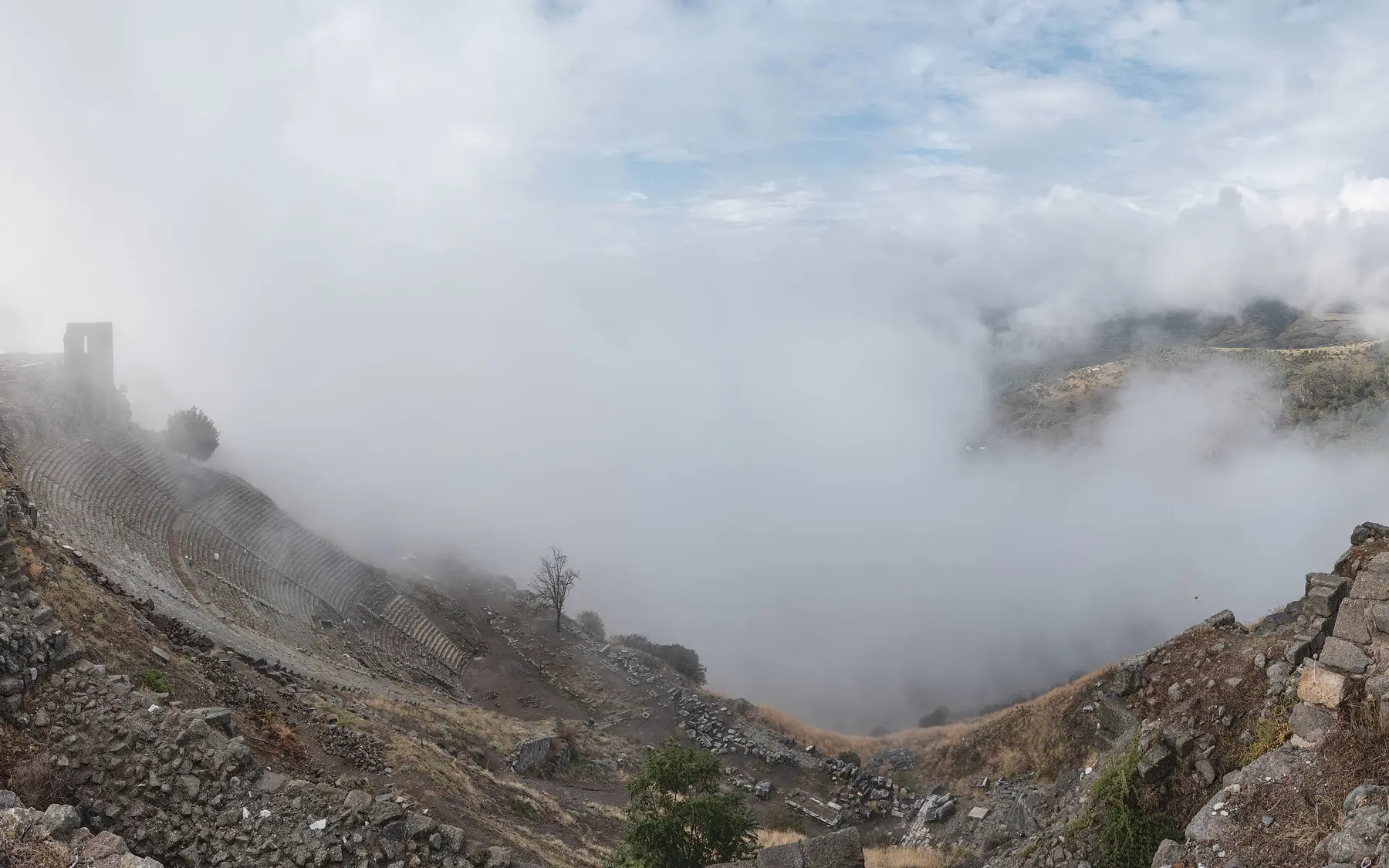
Pergamon's steep hillside theatre within the misty acropolis landscape.Captured: 2025Photo: Giorgio GaleottiWikimedia Commons ↗CC BY-SA 4.0 ↗Cropped for web
Location
Bergama, İzmir
Chronology
Hellenistic–Ottoman
Research / protection
UNESCO World Heritage · 2014
WGS84 reference
39.133° N · 27.185° E
Research identity
Excavation and scientific lead
The Pergamon excavation is a long-term research programme of the Istanbul Department of the German Archaeological Institute.
✓The institutional relationship is verified against official project and institution pages.
01
Evidence at a glance
01
UNESCO inscription in 2014
02
Capital of the Attalid dynasty
03
Major healing centre: Asklepieion
04
Hellenistic, Roman, Byzantine and Ottoman layers
02
Read the site layer by layer
Sources for this dossier are listed together in the bibliography below. Individual claims are marked at section level only when a direct source mapping has been verified.
01
A capital built with topography
Terraced temples, stoas, palaces, theatre and library turned the steep hill into a monumental stage visible across the plain.
01
Pergamon's steep hillside theatre within the misty acropolis landscape.Captured: 2025Photo: Giorgio GaleottiWikimedia Commons ↗CC BY-SA 4.0 ↗Cropped for web
02
Knowledge, medicine and Galen
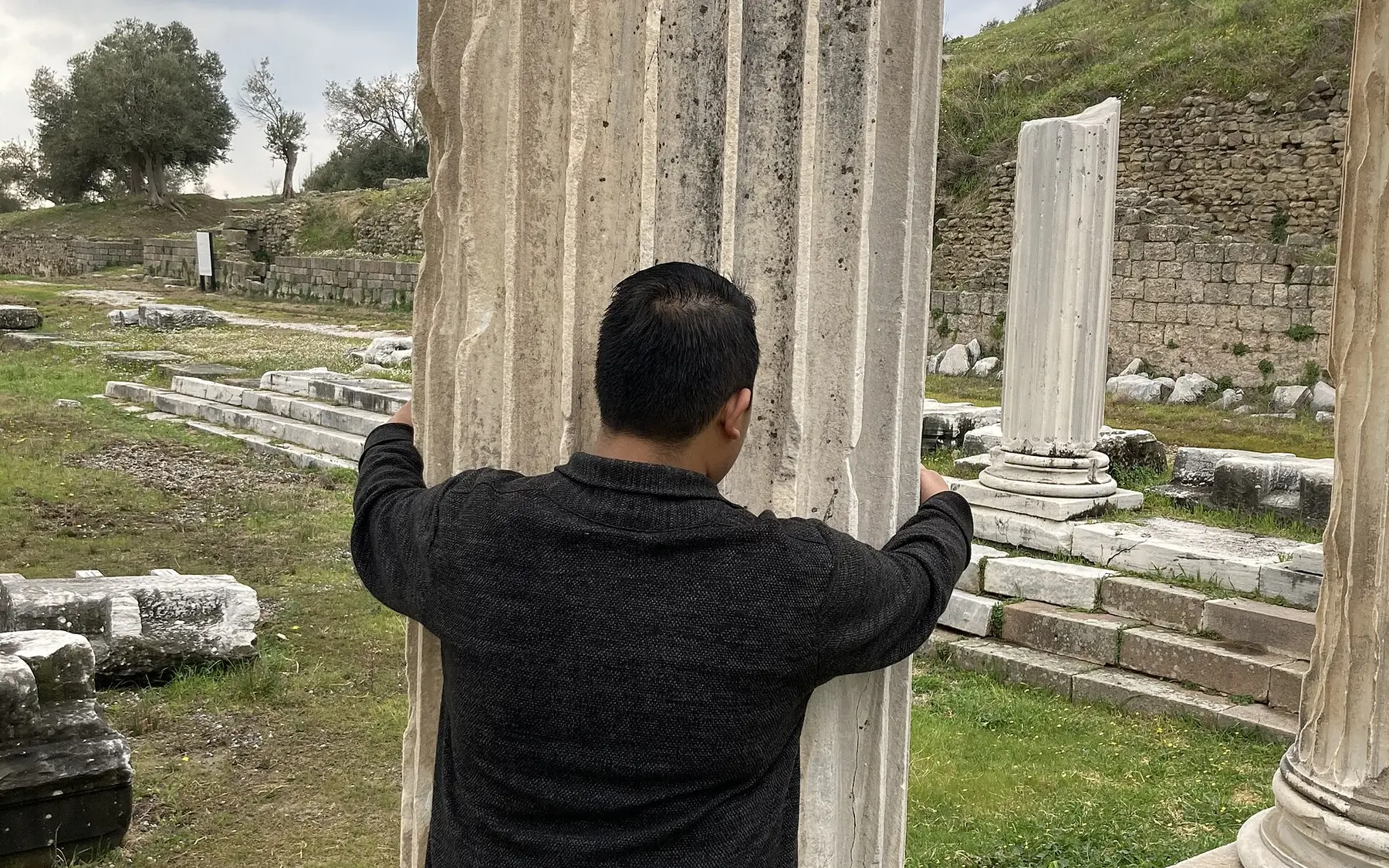
The library and intellectual life made Pergamon a centre of learning. At the Asklepieion, healing, religion and observation met; Galen's connection reinforces its medical legacy.
02
The colonnaded precinct of Pergamon's Asklepieion, the ancient healing centre.Captured: 2021Photo: AyratayratWikimedia Commons ↗CC BY-SA 4.0 ↗Cropped for web
03
A multi-layered landscape
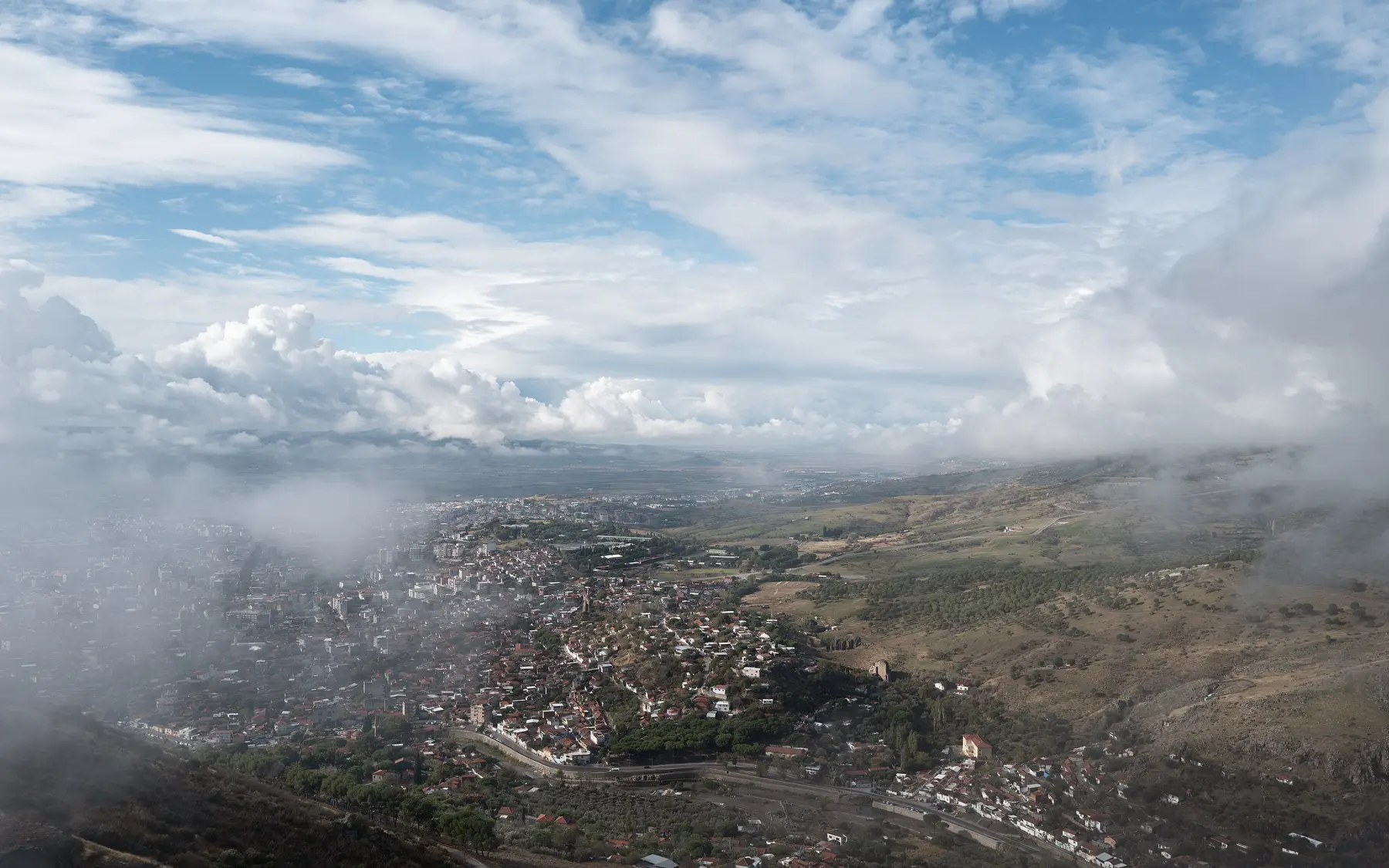
The Roman Serapeion, Byzantine fabric and Ottoman markets, baths and mosques overlap with modern Bergama. Its value lies in this long transformation, not a single monument.
03
View from the Pergamon Acropolis across Bergama and the Bakırçay plain.Captured: 2025Photo: Giorgio GaleottiWikimedia Commons ↗CC BY-SA 4.0 ↗Cropped for web
04
Sanctuaries and tumuli
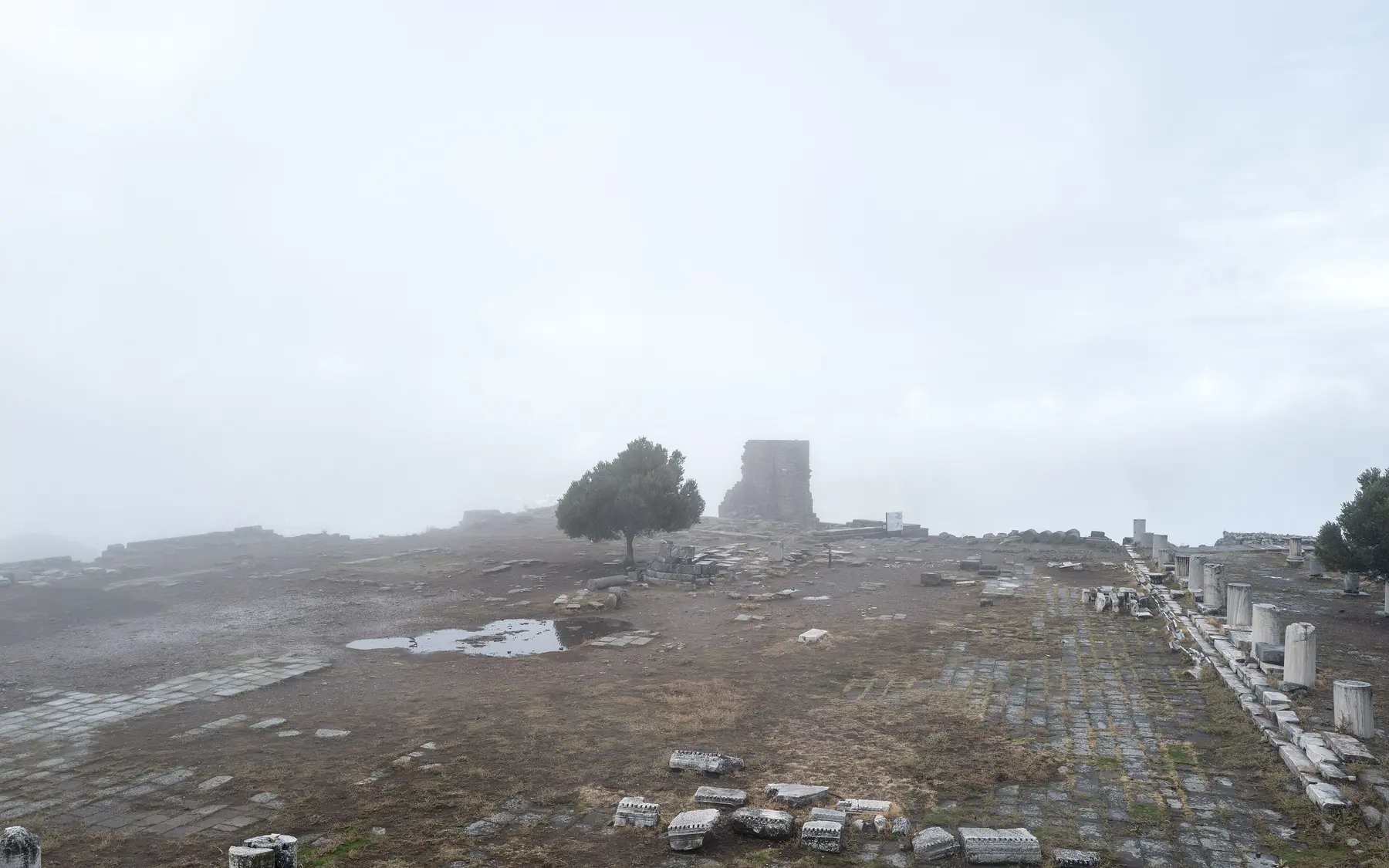
The Kapıkaya Kybele Sanctuary and burial mounds formed the visual and ritual territory of the acropolis beyond the city walls.
04
Remains of the Sanctuary of Athena on the Pergamon Acropolis.Captured: 2025Photo: Giorgio GaleottiWikimedia Commons ↗CC BY-SA 4.0 ↗Cropped for web
05
Material and craft
The Pergamene school of sculpture, monumental friezes and parchment tradition represent the city's artistic and technical knowledge.
05
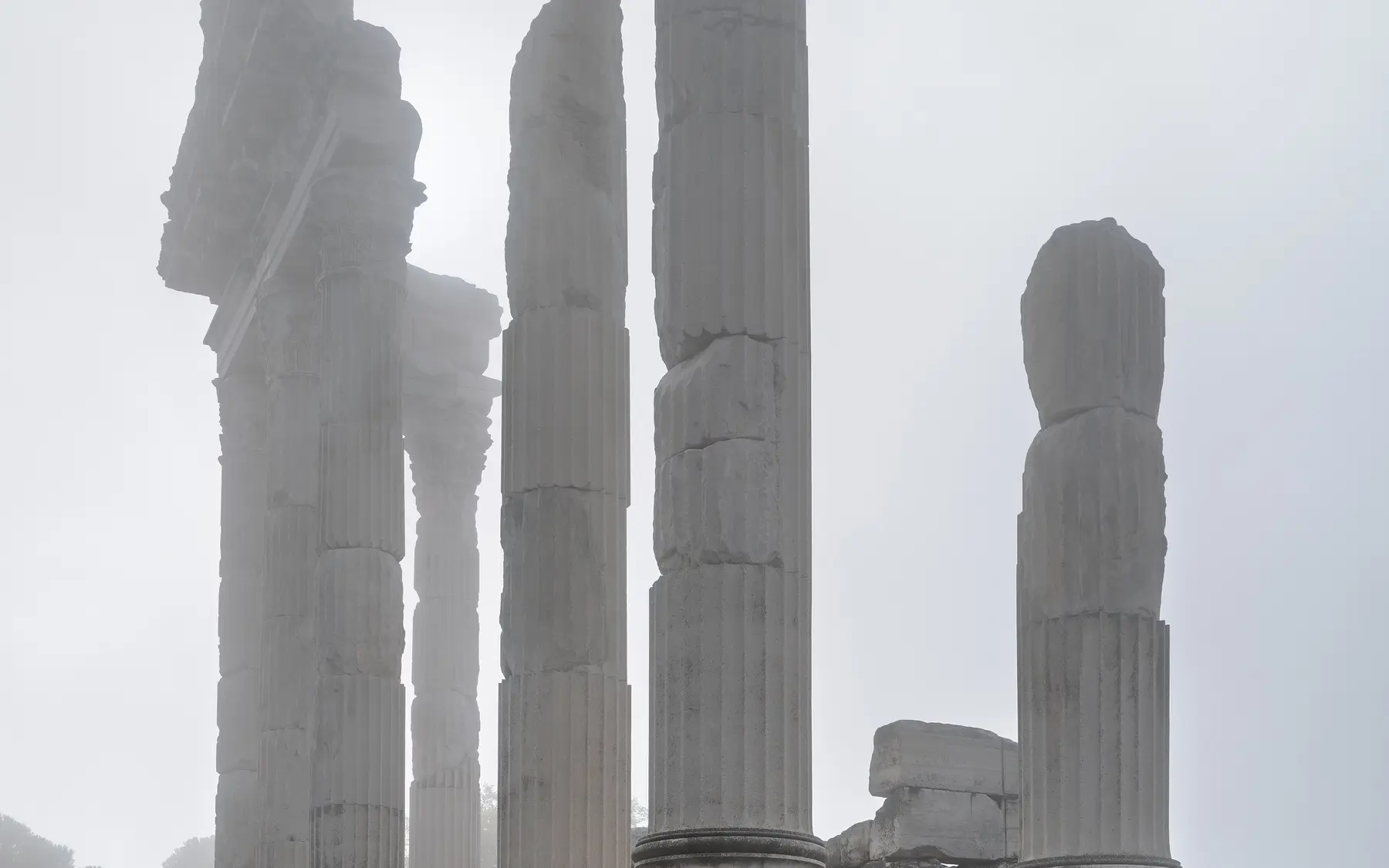
Re-erected columns and stonework of the Temple of Trajan at Pergamon.Captured: 2025Photo: Giorgio GaleottiWikimedia Commons ↗CC BY-SA 4.0 ↗Cropped for web
Through an Archaeologist's Eye
What should you notice in the field?
◎
What deserves attention on site?
Read buildings through the visual relationship between the terraces and the Bakırçay plain.
≋
How should this layer be read?
The acropolis, Asklepieion, tumuli and living town are different scales of one cultural landscape.
△
What is the common misreading?
Reducing Pergamon to acropolis monuments excludes the healing centre and sacred plain.
These boxes do not claim personal discoveries. They are field-reading questions grounded in published archaeological context. Verifiable original observations by Ersin İğde are added separately and explicitly labelled.
Field mode
Prepare the file before your visit
Save the page for offline use, open the coordinates, use the checklist and keep personal notes only on this device.